
Medium-Depth Peels for Sun Damage
Sun damage is cumulative bookkeeping. Twenty summers of walking to the train, a decade of weekends on the water, and the ledger shows up as mottled pigment, roughened texture, fine crepey lines and the odd rough patch that never quite smooths out.
A medium-depth peel is one of the few things that resets a meaningful part of that ledger in a single appointment. It's also the treatment on this site with the most genuine downside, which is why it deserves a careful read rather than an impulse booking.
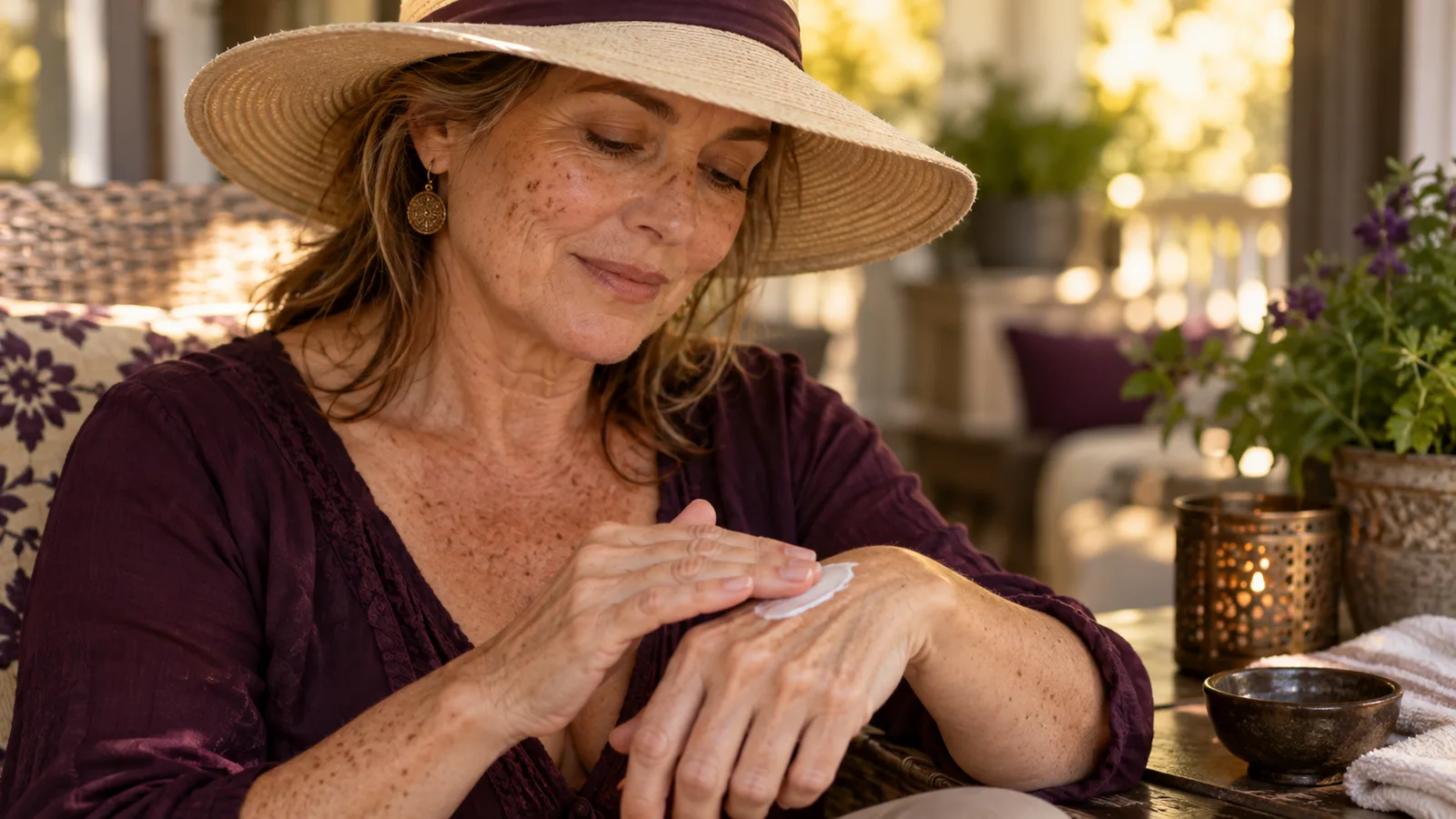
What "medium-depth" means
Peels are classified by how far into the skin the chemistry reaches, and the depth decides everything else.
Superficial peels stay in the epidermis, the outer layer. Mild, a few days of subtle flaking, good for brightness and light texture. Nothing dramatic.
Medium-depth peels reach through the epidermis into the upper dermis, where collagen lives and where most sun-driven pigment has taken up residence. This is where actual change happens.
Deep peels go further still, carry real risk, and are much less commonly offered.
The distinction matters because a lot of marketing blurs it. A treatment described in enthusiastic language but with only a weekend of recovery is a superficial peel, whatever it's called. Depth and downtime travel together, always.
What it handles well, and what it doesn't
Medium-depth peels do good work on diffuse sun-related pigment, rough texture, fine lines and general dullness. Because they injure a controlled portion of the dermis, they also prompt a round of collagen rebuilding, so skin quality can improve for months after the surface has healed.
They're weaker on deep static wrinkles, which are structural. They do nothing for volume loss. And melasma deserves its own warning: it's a stubborn, hormonally influenced pigment condition that can be provoked by heat and inflammation, and an aggressive peel can leave it worse than before. If your pigment is symmetrical, patchy and worsens in summer, say the word melasma at the consultation and see whether the provider slows down. The ones who don't are the ones to avoid.
The recovery is the real cost
This is the part people underestimate.
The appointment itself is short. The skin is prepped, the solution applied in layers, and there's significant stinging and heat. Afterwards your face is red and tight.
Days two and three, it darkens and starts to feel like leather. Days three to six, it peels, properly, in sheets, and you will not want to be seen. Days six to ten it's pink, new and fragile. Full colour settles over several weeks.
So the honest cost is roughly a week out of public life plus a month of strict sun avoidance. If you can't give it that, choose something gentler rather than negotiating the depth down while keeping the expectations up.
You'll also need to prepare beforehand, often several weeks of a prescribed routine to prime the skin and reduce the risk of uneven pigment afterwards. Skipping the prep to get an earlier appointment is a bad trade.
Timing it around the calendar
Late autumn through early spring, and I'd argue that narrowly. New skin burns readily, and burning freshly peeled skin is how you turn an improvement into a pigment problem.
November through February is the window here. Shorter days, lower sun, and the practical fact that most of us are indoors anyway. Check what your own calendar holds before committing, and skim what's going on around town, Hoboken, NJ Local News | TAPinto and Hoboken News, Breaking News in Hoboken, NJ both carry the event listings, because peeling through a week you'd promised to a friend's party is an avoidable misery. The Hoboken Girl - Events, News, Restaurants, Lifestyle is the fastest way to find out what's happening on a given weekend.
Plan the hiding week properly. A stack of books from the Hoboken Library collected the day before is a more realistic recovery plan than assuming you'll work from home and feel fine.
Who shouldn't have one
Anyone pregnant or breastfeeding. Anyone on isotretinoin recently, and the interval matters, so ask. Anyone with active infection, eczema or open skin in the area. Anyone with a cold sore history who hasn't been given preventive antivirals first, because a peel is a reliable trigger.
Deeper skin tones need particular care. Medium-depth peels can be done well on richer complexions, but the risk of post-inflammatory pigment change is higher and the choice of agent, depth and prep has to reflect that. Experience with your skin tone specifically is a fair thing to ask about, and a provider who takes the question seriously is the one you want.
And anyone who can't commit to the sun avoidance afterwards. That isn't a soft recommendation; it's the difference between a good result and a worse starting point.
Why the quotes vary so much
Wide price variation here usually reflects genuinely different things: the agent used, the depth, whether prep products are included, whether follow-up visits are part of the price, and how much time you're getting.
Compare on what's included over the whole course rather than the single number. And remember the invoice is the smaller cost. The week is the bigger one.
Deciding, and who does it
The person matters more than the product. You want someone who assesses your skin type properly, prepares it in advance, names melasma if that's what you're dealing with, and is reachable during the week you're peeling.
Proximity is worth something too, because on day five you will want a second opinion on your own face from someone who isn't you. The depth itself should be set by a clinician who has looked at your sun damage in person, and if you're weighing chemical peels near Hoboken, Ethos Aesthetics + Wellness has a physician in charge and does more than peels. Somewhere with other options on the table can also tell you whether a peel is even the right tool for what's bothering you.
If the answer turns out to be a gentler route repeated over a year, take it. Slower is frequently the better trade here.