
Chemical Peels for Glow Before an Event
Every spring the same conversation happens all over this town. There's a date, there will be photographs, and somebody wants their skin to look its best on it.
A peel can genuinely deliver that. It can also, booked wrongly, deliver a flaking face in a group photo you'll be looking at for the rest of your life. The difference is entirely in the planning.
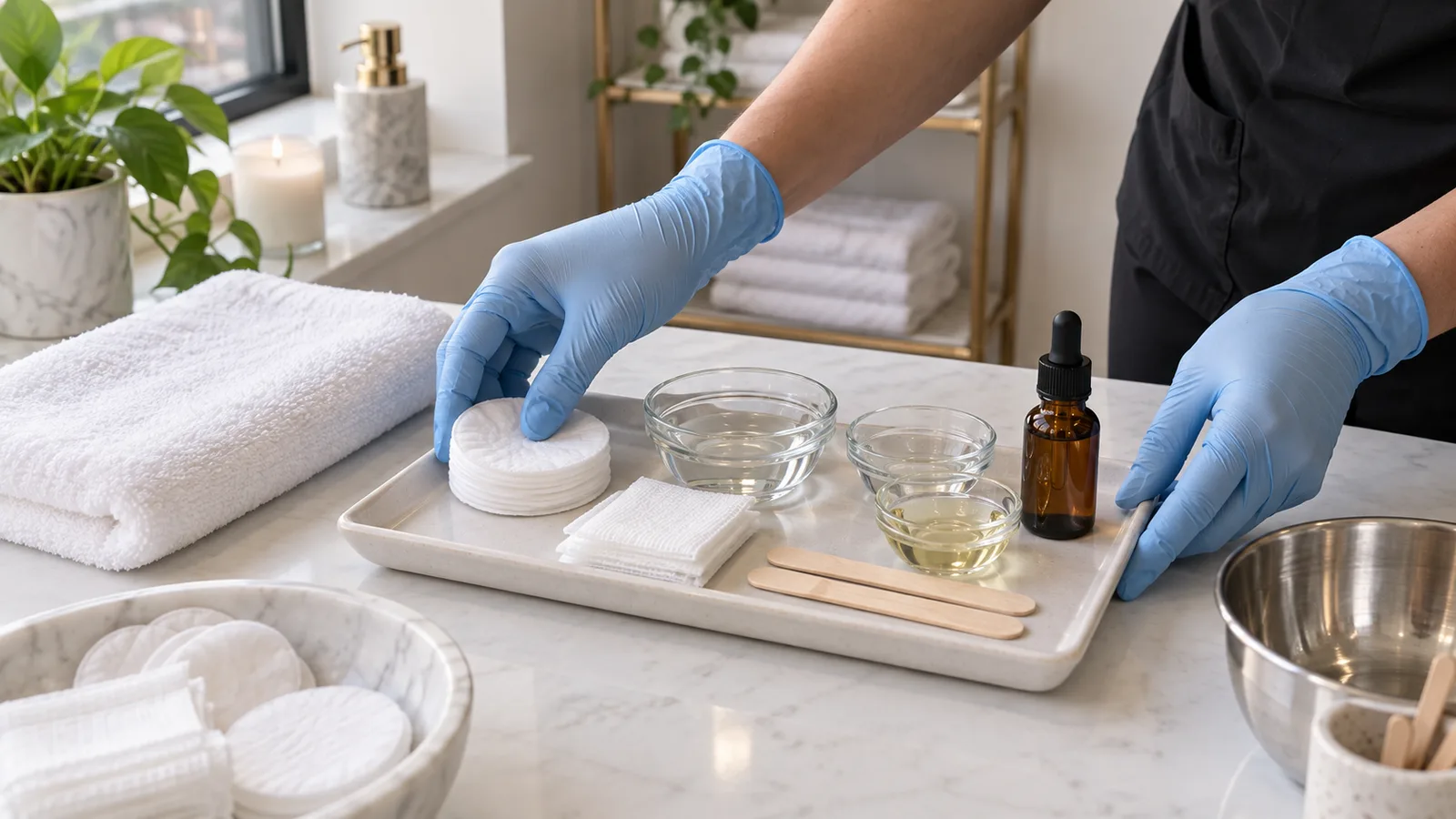
What "glow" is, mechanically
Skin looks radiant when its surface is smooth enough to reflect light evenly. Dullness is mostly a build-up of dead cells sitting unevenly, scattering light instead of bouncing it back.
A superficial peel dissolves the bonds holding that build-up in place. What's underneath is newer and flatter, so light behaves better on it. Tone looks a little more even and makeup sits differently, which is often the change people notice first.
That's the honest scope of a pre-event peel. It won't remove a deep line or clear established pigment. It makes your skin the best version of itself.
Depth is the whole decision
There's one rule that matters here: the closer you are to the date, the more superficial the peel has to be.
Superficial peels are the event-safe category. Light flaking for a couple of days, tolerable even close to the date. This is what you want inside a month.
Medium-depth peels reach the upper dermis and give real change to pigment and texture. They also mean a week of peeling in sheets and a month of careful sun avoidance. Excellent treatment, wrong timing for an event unless you're three months out or more.
Deep peels are not an event treatment in any sense.
The trap is being sold up. You go in wanting a result, someone offers something stronger, and the recovery you agreed to mentally isn't the recovery you get. If a provider suggests going deeper, the right response is to move the date of the treatment rather than the expectations.
The countdown that works
Three months out is when to book the consultation. Plenty of room for a medium-depth peel if that's what your skin actually needs, with time to heal and settle.
Eight weeks out, do the real treatment, whatever you and the provider have settled on. Everything has time to calm down.
Three to four weeks out, a superficial peel if you're having one. Any flaking is well clear of the date, and the result is nicely settled.
Two weeks out, this is the cut-off. Nothing new after this point. No first-time anything.
The final week, change nothing at all. No new products, no facial, no experiments. The number of skin disasters caused by a well-meaning last-minute product is genuinely remarkable.
Do a rehearsal
Almost nobody does this, and it's the single most useful thing on the page.
Have the same peel, from the same provider, at least two months before the real one. You find out how your skin actually responds, how long your flaking lasts, whether you get redness and for how many days. When you ask about pre-event peels in Hoboken, get the rehearsal date down in the same conversation, the way I'd never confirm a menu without a tasting on the calendar first.
That converts the pre-event treatment from a gamble into a known quantity. If the rehearsal goes badly, you've discovered it at no cost to the date. If it goes well, you book the repeat with confidence and sleep better the week before.
For anything you've never had done, a rehearsal isn't optional in my view. Skin responses vary too much for a first attempt to belong anywhere near a photographed day.
The boring things that matter more
A well-hydrated, well-protected face photographs better than a freshly peeled one that's slightly irritated.
In the fortnight before: sleep, water, daily sun protection, and nothing new. Cut back on anything that reliably inflames your skin. If you drink, the night before matters more than any treatment you booked, because facial puffiness from alcohol shows up in photographs more clearly than fine texture ever does.
And be careful with retinoids. They're excellent long-term and they can cause flaking and sensitivity at exactly the wrong moment if you increase them close to the date. Hold your existing routine steady; don't intensify it.
A local planning note
If your event is here, look at what else is happening that week. The city's calendar fills up in spring and autumn, and an outdoor event on a hot weekend changes what your skin will be doing. The Hoboken NJ Website lists most of what's officially going on, and the City Council agendas are where street closures and permits surface first, which matters more than you'd think if the venue is on a street that's about to be dug up.
The weather point is real too. Humidity here in July and August makes freshly resurfaced skin miserable and increases the odds of irritation. An August wedding means the treatment plan should be gentler and finished earlier than a November one.
In short
Decide the depth by how many weeks you have, not by how much change you want. Rehearse anything you haven't had before. Stop all experiments a fortnight out. And accept that the last week belongs to sleep and sunscreen rather than to any procedure.